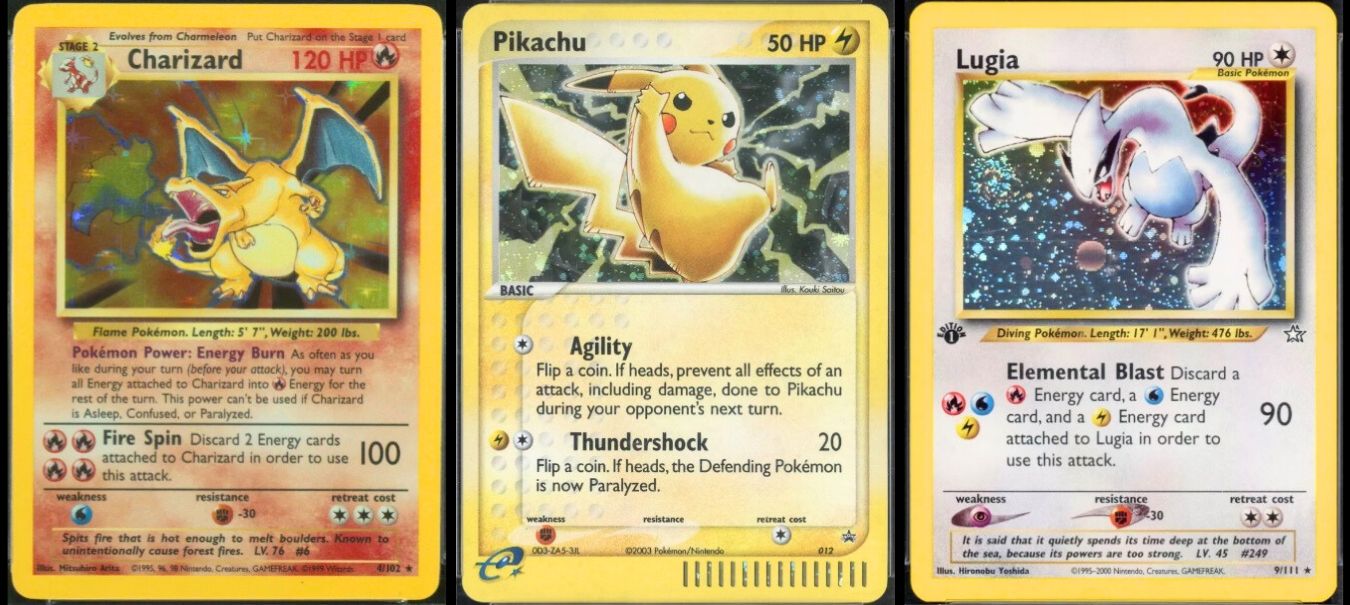
Whether you’re dusting off your old Pokemon collection or just getting into the hobby, one question pops up a lot: Which Pokemon cards are actually worth money?
With some cards selling for thousands of dollars, it’s no wonder collectors and fans alike want to know what to look for. Values vary widely, and even ordinary-looking cards can be worth checking.
This beginner’s guide breaks down what makes a Pokemon card valuable, how to identify them, and which types of cards are most likely worth money.
Check your card’s value in the OG Cards database
Enter the card name exactly as it appears on your card, including details such as ex, GX or VMAX. Add the collector number to narrow the results, then match the image, set and edition. Prices are raw-card market estimates; condition affects what your copy may sell for.
Why Are Some Pokemon Cards Worth So Much?
Several factors influence a card's value:
- Rarity – Limited print runs and special-event releases can increase value when collectors want the card.
- Condition – Cards graded PSA 9 or PSA 10 can be worth significantly more than played copies.
- Popularity – Cards featuring fan-favorite Pokemon like Charizard, Pikachu, and Mewtwo are in high demand.
- Age – Older cards from 1999–2003 remain collectible, including many common and uncommon cards. The exact card, edition and condition determine how much it is worth.
- Errors & Misprints – Factory mistakes can make a card extremely collectible.
How to Tell If a Pokemon Card Is Valuable
Sorting through your cards? Look for these signs that a card might be worth money:
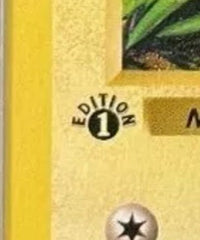
1. 1st Edition Stamp
A small black stamp on the lower left of the artwork shows the card is from the first print run of that set. First Edition copies often command a premium over Unlimited copies of the same card in comparable condition. Check the exact printing before comparing prices.
2. Holographic Cards
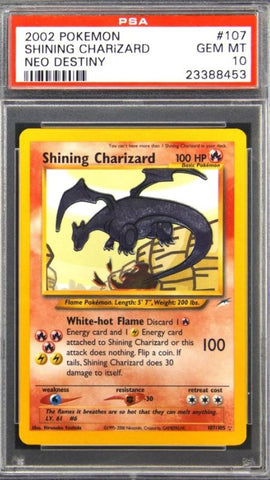
Shiny or “holo” cards — especially from older sets — often fetch higher prices, particularly if they feature iconic Pokemon like Blastoise or Charizard.
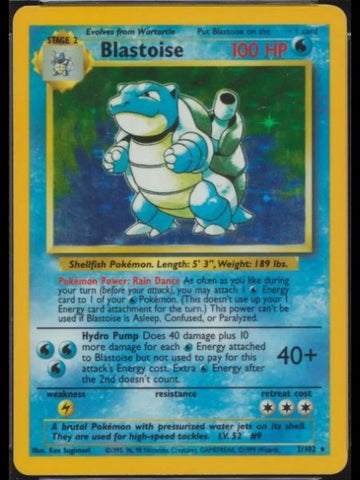
3. Shadowless Cards
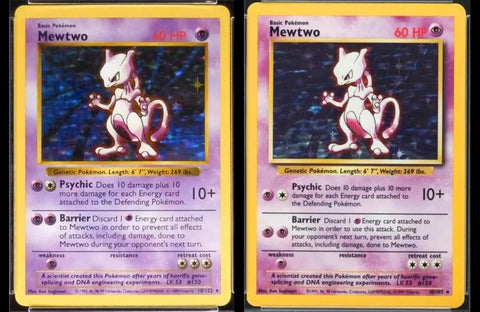
On English Base Set Pokemon cards, the absence of the drop shadow beside the artwork box is a clue to an early printing. These early copies without a 1st Edition stamp are commonly called Shadowless and are sought-after by collectors.
4. Card Condition
Cards in near mint or mint condition generally sell for more than worn copies of the same printing. Protect good cards with sleeves right away to preserve their value. Our guide to which Pokemon cards you should sleeve explains what to protect first.
Types of Pokemon Cards That Are Worth Money
✅ Base Set Cards (1999–2000)
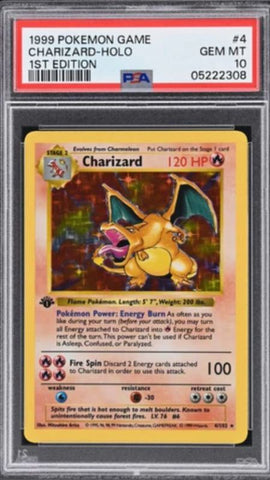
Cards from the original set span a wide range of values. Some holos, especially sought-after 1st Edition copies, can be worth hundreds or much more. Common and uncommon Base Set cards also have resale value, so check each card rather than assuming they are all priced alike.
Example: Charizard 1st Edition Base Set PSA 10 has sold for over $300,000.
✅ Promo Cards
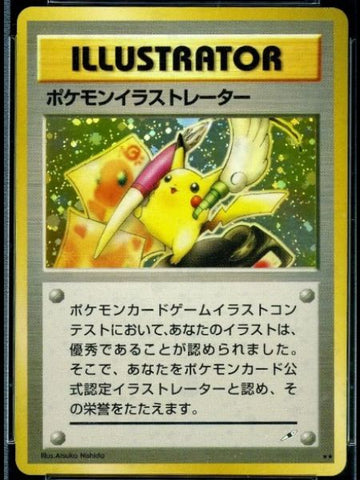
Event-only promos like Pikachu Illustrator or Tropical Mega Battle are ultra-rare and often worth thousands.
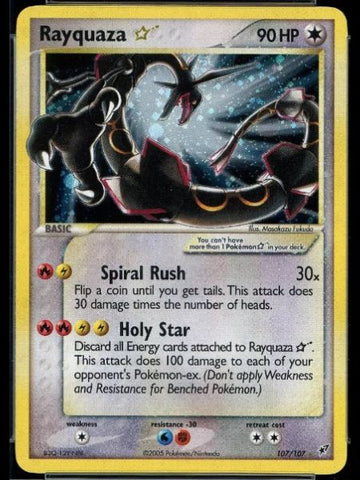
✅ Gold Star Pokemon
Released during the EX series (2004–2007), these cards have a gold star next to the name and are extremely valuable.
✅ Alternate Art Cards
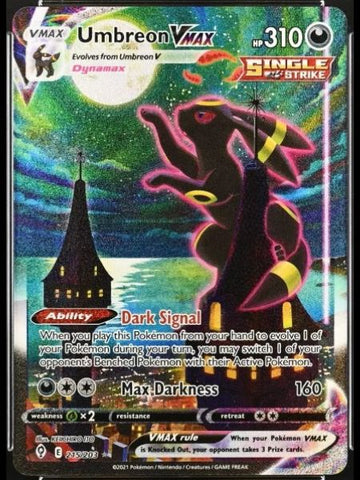
Modern sets like Evolving Skies and Crown Zenith feature alternate arts that are wildly popular with collectors. Some sell for hundreds even ungraded.
✅ Error or Misprint Cards
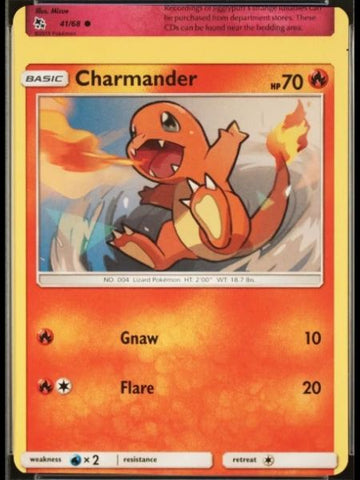
Misprints and error cards are rare and collectible — some can fetch impressive prices just because of a factory mistake.
How to Check What Your Pokemon Card Is Worth
- Search the name printed on your card. Open the card database and enter the full name. For example, search for Charizard ex rather than just Charizard if your card says Charizard ex.
- Add the collector number. Look near the bottom of the card for a number such as 199/165. Searching for Charizard ex 199/165 helps narrow down the printing.
- Match the version. Compare the card image, set, language and edition. Check whether your copy is Normal, Holofoil or Reverse Holofoil. For Base Set cards, compare the correct Unlimited, Shadowless or 1st Edition price.
- Allow for condition. Look for scratches, creases and whitening around the edges. Use the displayed raw-card market estimate as a starting point, then compare recent sold listings for the same version in similar condition. Asking prices alone do not show what buyers have paid.
Older cards and holo cards are worth investigating, but those features alone do not tell you the price. Check the exact printing, including common and uncommon vintage cards, before deciding what to sell or keep.
You can research a card’s value without having it graded. If you are considering grading, read should you grade your Pokemon cards? to weigh the likely benefit against the cost.